Why Jaipur is an Excellent Base for Camping
Jaipur sits at the southern edge of the Aravalli range — India's oldest mountain chain — with the Thar Desert beginning just to the west. This gives the Pink City unusual camping diversity: desert dunes, forest reserves, hill forts, and the Ranthambore tiger corridor all within a few hours. Most visitors come to Jaipur for the palaces and leave. The camping options in every direction are largely unexplored by outsiders.
Here are eight verified camping options across different terrain types, distances and budgets.
1. Sam Sand Dunes, Jaisalmer — ~570km from Jaipur
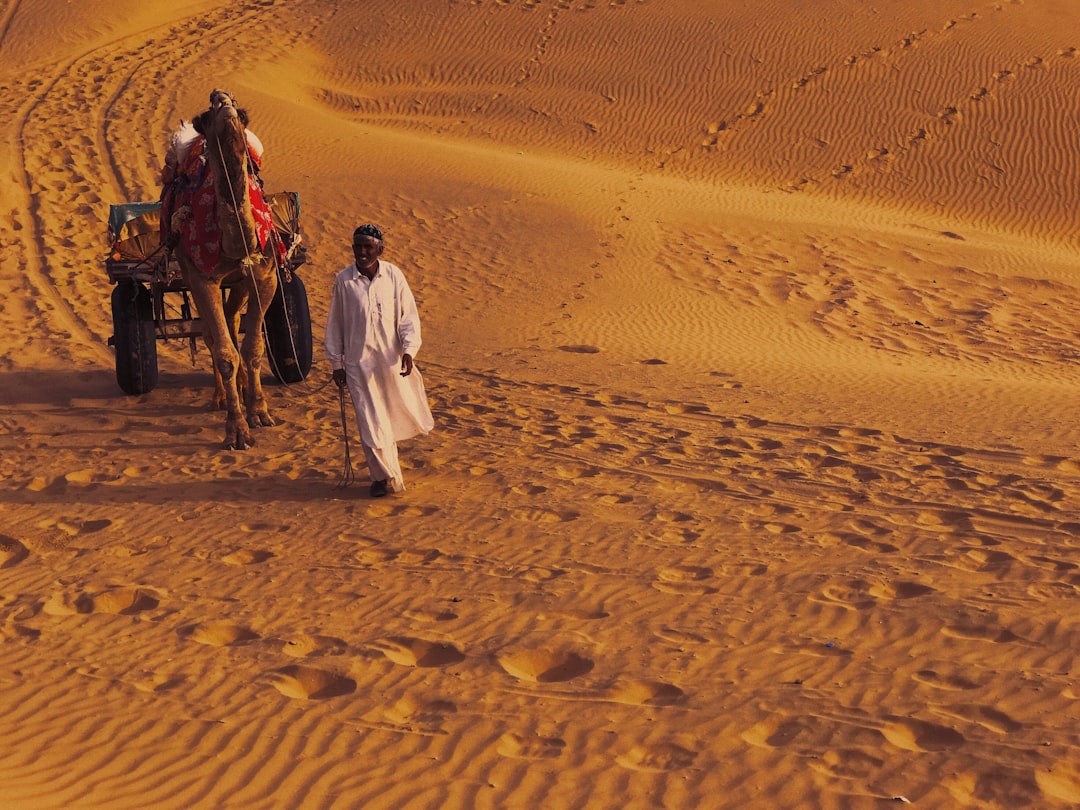
The classic Rajasthan desert camping experience. Sam's dunes are the highest in the Thar and the most accessible — camel safaris, desert sunsets, folk music around a bonfire, and a sky that lights up completely without light pollution. It's popular, but for good reason. For a quieter alternative, Khuri dunes (45km from Jaisalmer) are less visited and more authentic. Best October to February.
Best for: First-timers, desert experience, photography
Price: ₹1,500–₹8,000 per person per night
Getting there: Via NH11 to Bikaner then NH15 to Jaisalmer, or via Jodhpur. ~9–10 hours from Jaipur. Overnight trains to Jaisalmer also available.
2. Ranthambore National Park, Sawai Madhopur — ~180km from Jaipur
India's most dramatic tiger reserve — set around a 10th-century fort, with tigers that have habituated to vehicles and are among the most visible in India. Camping near Ranthambore means early morning safaris, the possibility of a tiger sighting, and evenings in the forest buffer zone. The landscape — dry deciduous forest, lakes, ancient ruins — is beautiful independent of wildlife. October to June (park closes July–September).
Best for: Wildlife, photography, tiger safaris
Price: ₹2,500–₹12,000 per person per night
Getting there: Via NH52 to Sawai Madhopur. ~3.5 hours from Jaipur. Book safari permits well in advance.
3. Sariska Tiger Reserve, Alwar — ~110km from Jaipur
Closer than Ranthambore and significantly less crowded. Sariska was recolonised by tigers from Ranthambore after a poaching crisis — there are now 25+ tigers in the reserve. The ruins of Kankwari Fort sit inside the core zone, adding a historical dimension rare in Indian wildlife destinations. The Aravalli landscape here is rocky and atmospheric. October to May is best.
Best for: Wildlife, offbeat camping, history
Price: ₹1,500–₹6,000 per person per night
Getting there: Via NH248 to Alwar, then local roads. ~2.5 hours from Jaipur.
4. Bhangarh & Ajabgarh, Alwar — ~90km from Jaipur
Bhangarh is famous as "India's most haunted fort" — which is mostly tourism mythology, but the 17th-century ruins in the Aravalli foothills are genuinely spectacular. The surrounding Sariska buffer zone has good leopard and hyena activity. Camping in the forest near Ajabgarh (the adjacent village) puts you in excellent wildlife habitat while staying close to the ruins. Best October to February.
Best for: Photography, history, leopard sightings
Price: ₹800–₹2,500 per person per night
Getting there: Via Dausa on NH21. ~2 hours from Jaipur.
5. Pushkar & Sambhar Lake, Ajmer — ~150km from Jaipur
Pushkar's desert camping has been running for decades, but the experience around the famous camel fair town remains worthwhile — dunes on the edge of town, camel treks into the Aravalli foothills, and the unique atmosphere of one of India's most sacred cities. Sambhar Lake, 80km from Jaipur, is India's largest inland saltwater lake and a spectacular flamingo site in winter. Best October to March.
Best for: Cultural tourism, flamingo birding, desert camping
Price: ₹1,000–₹4,000 per person per night
Getting there: Via NH58 to Ajmer, then local roads to Pushkar. ~3 hours from Jaipur.
6. Ramgarh Vishdhari Tiger Reserve, Bundi — ~210km from Jaipur
Rajasthan's newest tiger reserve, declared in 2022, and still largely unknown. Bundi itself is one of Rajasthan's most beautiful towns — a tangle of blue-painted havelis below a dramatic hilltop palace. The reserve's core Aravalli forest is excellent for leopard, sloth bear and the growing tiger population. Camping in the buffer zone gives access to both the wildlife and Bundi's extraordinary architecture. October to May.
Best for: Offbeat camping, wildlife, Rajasthan architecture
Price: ₹1,200–₹4,000 per person per night
Getting there: Via Tonk on NH52. ~4 hours from Jaipur.
7. Aravalli Hills Camping, Ajmer & Pali Districts — ~100–200km from Jaipur
The Aravalli range between Ajmer and Pali is some of Rajasthan's most underexplored camping terrain — granite ridges, ancient step wells, tribal villages and near-zero tourist footprint. Several Jaipur-based operators run guided camping trips into this belt. The landscape changes dramatically with the seasons: emerald green post-monsoon, golden in winter, stark and dramatic in summer. Best October to February.
Best for: Serious trekkers, solitude, offbeat Rajasthan
Price: ₹1,500–₹4,000 per person per night (guided packages)
Getting there: Various trailheads via NH58 and NH62. Guided tour recommended for first visit.
8. Chambal River Camping, Kota — ~250km from Jaipur
The Chambal is one of India's cleanest rivers — largely because its ravine landscape has discouraged development for centuries. River camping on the Chambal means gharial and mugger crocodile sightings, Gangetic river dolphins, vulture colonies on the ravine walls, and extraordinary birding. The National Chambal Sanctuary runs from Rajasthan through MP and UP. Best November to March.
Best for: Wildlife, birding, river camping
Price: ₹1,500–₹5,000 per person per night
Getting there: Via Tonk and Bundi on NH52, then to Kota. ~4.5 hours from Jaipur.
Planning Your Trip
Jaipur's camping season is October to March for desert and wildlife destinations. Ranthambore safari permits sell out months in advance during peak season — book as early as possible. The Sam dunes experience is best mid-week; weekends bring large tour groups. For the Aravalli camping belt, a local guide is strongly recommended — the terrain is unmarked and trail conditions vary by season.