Why Monsoon Camping Has a Cult Following
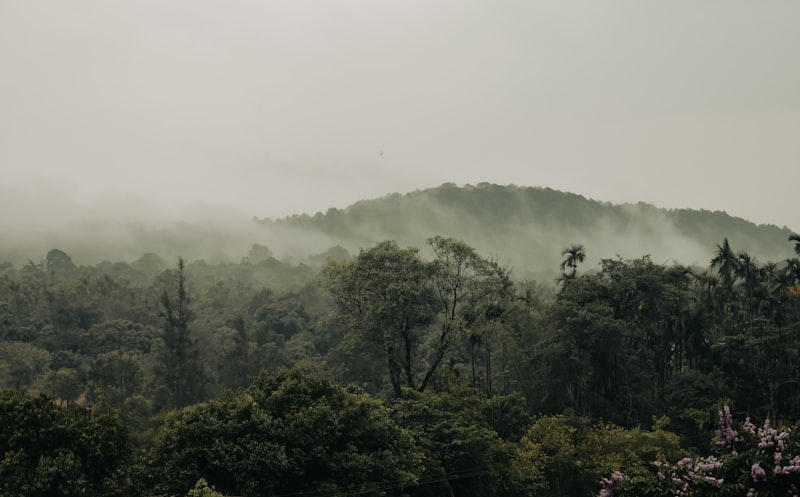
Between June and September, half of India becomes inaccessible. The Himalayas turn dangerous with flash floods and landslides. Rajasthan bakes. But in the Western Ghats — Maharashtra, Goa, Karnataka — something remarkable happens. The hills turn electric green, waterfalls appear from nowhere, and temperatures drop to a perfect 18–22°C.
Monsoon camping in the Sahyadris has developed a dedicated following for exactly this reason. The same trails that are dusty and unremarkable in April become otherworldly in July. Forts that look like ruins in winter become mist-wrapped castles. It's genuinely one of India's most underrated outdoor experiences.
But it demands preparation. Camping in the rain requires different gear, different mindset, and knowing which places to avoid entirely.
Where to Go: The Best Monsoon Camping Spots
Maharashtra Sahyadris — the heartland of monsoon camping
The Sahyadri range in Maharashtra is the epicentre of Indian monsoon camping culture. The stretch from Lonavala to Kolhapur is riddled with forts, peaks and valleys that transform in the rains.
Rajmachi Fort near Lonavala is the most accessible. A 16km trek from Lonavala or Karjat brings you to a twin-fort hilltop surrounded by waterfalls. Camping on the plateau with clouds rolling in below you is a genuinely unforgettable experience. The trail is well-marked and manageable even for beginners, though slippery in places.
Harishchandragad in Ahmednagar district is more dramatic — the Konkan Kada cliff offers a sheer 800m drop into the clouds below. More challenging, but the payoff is spectacular.
Bhandardara, a reservoir surrounded by hills, is ideal for families. The Arthur Lake fills to overflowing and the surrounding campgrounds are packed with wildflowers.
Coorg and the Karnataka Ghats
Coorg receives some of India's heaviest rainfall but remains accessible and beautiful throughout the monsoon. The coffee estates stay green year-round, and the Cauvery river swells magnificently. Camping near Dubare is best done in the drier shoulder months (September–October), but the Brahmagiri range and Talakaveri area reward monsoon trekkers with cloud forests and empty trails.
Goa Hinterland
While the coast is battered, the hinterland hills of Goa — Sanguem, Dharbandora — are quietly spectacular in the monsoon. The Dudhsagar waterfall, one of India's tallest, is at its thundering best between July and September. Camping near the base is an experience unlike anything on the Goa tourist trail.
Where NOT to Go in Monsoon
This is equally important. Several popular camping regions become genuinely dangerous between June and September:
Uttarakhand and Himachal Pradesh: Flash floods, landslides and trail washouts claim lives every year. The Char Dham highway is repeatedly cut off. Popular treks like Kedarkantha, Valley of Flowers approach roads and Roopkund are either closed or high-risk. Do not attempt Himalayan camping without current trail conditions from local operators.
Rajasthan and Gujarat: Not dangerous, but the heat and humidity remove any pleasure from camping. The Rann of Kutch floods seasonally.
Northeast India: Nagaland, Meghalaya and Assam receive extraordinary rainfall — Cherrapunji is the wettest place on earth. Dzukou Valley is actually beautiful in monsoon (the Dzukou lily blooms in July), but trail conditions vary widely. Go only with a guide and current local knowledge.
Monsoon Camping Gear — What's Different
Your standard camping kit needs significant upgrades for monsoon use. Here's what changes:
Tent
Your tent's waterproof rating matters far more than it does in dry conditions. Look for a hydrostatic head rating of at least 3,000mm for the fly, and 5,000mm for the groundsheet. The Quechua MH500 is the minimum for sustained monsoon rain. Pitch on high ground — never in a hollow or near a stream. Water flows fast and unpredictably in the Ghats.
Rain Jacket
A DWR-coated windcheater is not a rain jacket. In a Sahyadri downpour, you need real waterproofing with sealed seams. The Forclaz Trek 100 raincoat (₹1,999) is the budget option; the MT900 3-layer jacket is the upgrade for multi-day trips.
Footwear
Waterproof trekking shoes are counterproductive in the monsoon — they fill with water and stay wet. Many experienced Sahyadri campers use simple rubber chappals or lightweight trail shoes that drain quickly. The Forclaz Trek 100 Flex without waterproofing is actually a better monsoon shoe than a Gore-Tex boot.
Dry Bags
Everything electronic, including your phone, power bank and headlamp, should go in a dry bag or ziplock. Your sleeping bag especially — a wet sleeping bag in 20°C weather is miserable, but survivable. A wet sleeping bag at altitude is dangerous. Decathlon sells 5L and 10L dry bags for under ₹500.
Insect Repellent
The monsoon brings leeches to every Ghats trail. They're harmless but unpleasant. Salt in a small container, or a DEET-based repellent applied to shoes and socks, keeps them off. Don't panic if one attaches — salt or a lit match encourages detachment without leaving the head embedded.
Safety Rules for Monsoon Camping
Follow these and your monsoon trip will be memorable for the right reasons:
- Check weather forecasts 48 hours ahead. The IMD app and Skymet both give district-level forecasts. Avoid camping during red alert warnings.
- Never camp near streams or rivers. A stream that's ankle-deep at 6pm can be waist-deep at midnight after upstream rain.
- Tell someone your plan. Mobile signal is patchy in the Ghats. Share your route and expected return with someone not on the trip.
- Pitch early. Be in camp before 4pm. Afternoon storms arrive fast in the Ghats.
- Carry a dry change of clothes in a sealed bag. Staying in wet clothes overnight causes rapid chilling even at 20°C.
The Best Time Within Monsoon Season
Not all of June–September is equal. Here's the breakdown for Maharashtra:
June: Pre-monsoon showers. Trails are dry but getting green. Good for forts and lower Ghats.
July–August: Peak monsoon. Maximum waterfalls, maximum green, maximum rain. Best for experienced campers who are prepared. Avoid weekends — the popular spots near Mumbai and Pune get very crowded.
September–October: The sweet spot. Rain tapering off, hills still intensely green, waterfalls at full strength. Best overall months for first-time monsoon campers.
Our Top Recommendation for First-Timers
Start with Rajmachi in September. It's accessible from both Mumbai and Pune, the trail is manageable, the views are spectacular, and the camping plateau is forgiving for beginners. Do it on a weekday if possible. Carry the right gear, pitch before 4pm, and you'll understand immediately why monsoon camping has earned its devoted following.